

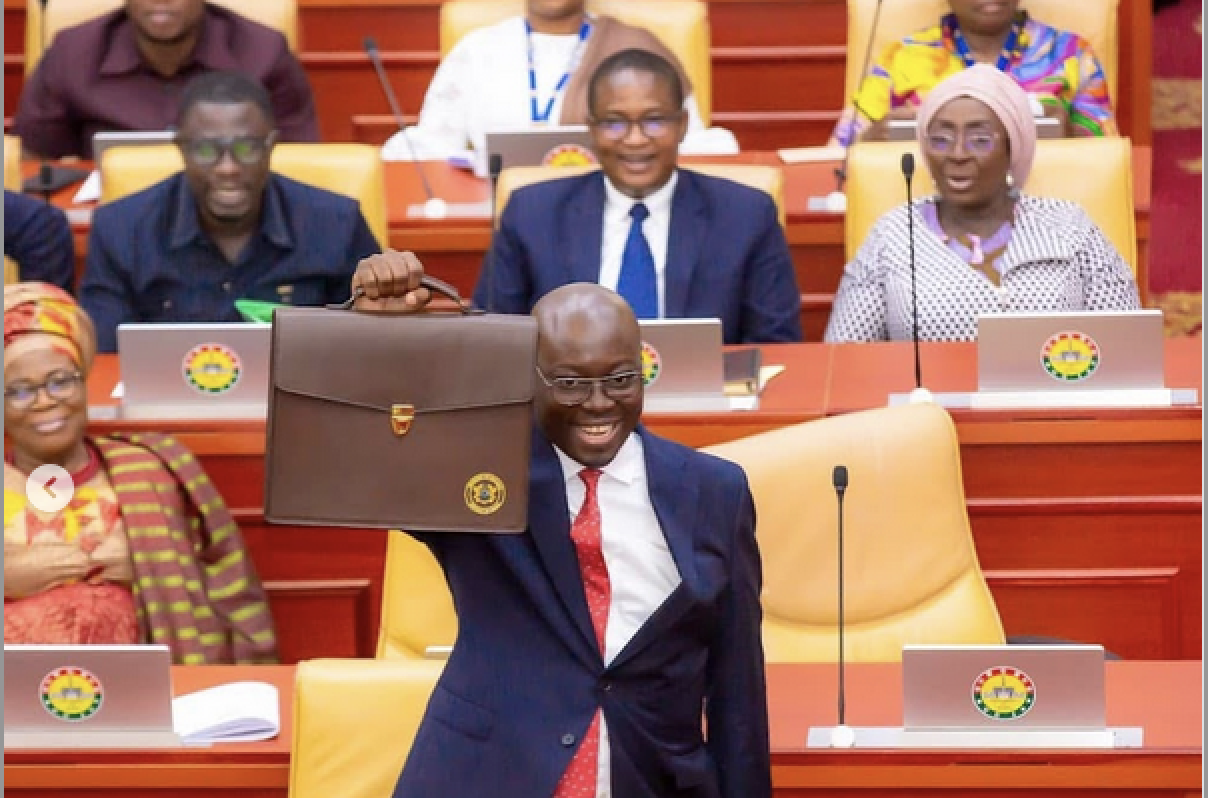

When Ghana paid $709 million in Eurobond debt on December 30, 2025, Western financial media barely noticed. When African countries default, they are quick to downgrade grades. When they deliver? Their silence becomes as loud as their hypocrisy.
What Actually Happened
By late 2024, Ghana was running emergency economics: 54% inflation at a point, a battered cedi, and suspended external debt payments. The country was operating on financial life support.
Twelve months later, the story changed completely.
The $709 million came from cash reserves the government deliberately built through disciplined financial management (Ghana Ministry of Finance, 2025). With this payment, Ghana has now settled $1.4 billion in restructured debt.
That distinction matters.
By year’s end, recovery was undeniable. Ghana’s stock market rose 77%, one of Africa’s strongest performances (Ghana Stock Exchange, 2025). Inflation fell from over 50% to 8.6%. The cedi stabilised and strengthened against peer currencies.
These weren’t accidents. They reflected deliberate fiscal discipline.
What Mahama Did
John Dramani Mahama took office in January 2025 after a landslide election victory. By then, inflation had fallen from its 54% peak to 23%, still dangerous, but moving in the right direction. His job: don’t break momentum.
Sceptics predicted chaos. Instead, Mahama did something radical: followed through.
He honoured the existing debt restructuring framework negotiated before he arrived. Kept spending disciplined, even when politically costly. Let monetary authorities operate without interference. Made debt payments when the currency was strong, reducing foreign exchange costs. Set aside sinking funds in advance for future obligations. Consolidated ministries to cut waste.
Professor Gottfried Bockbing, economist and professor of finance, assessed the strategy: “The government has demonstrated good faith with investors. The timing was strategic, servicing debt when the exchange rate is favourable makes the obligation cheaper in local currency terms.“
Ghana Is Not Alone
In late 2025, Namibia made an even larger single-day repayment of $750 million, the largest debt maturity settlement in its history (Namibia Ministry of Finance, 2025). Unlike Ghana, Namibia hadn’t defaulted. This was a scheduled redemption, funded through a pre-established sinking fund and short-term local bank financing, deliberately avoiding expensive international borrowing.
Different contexts. Same discipline.
Ghana rebuilt credibility after the crisis. Namibia protected it through foresight. Together, they signal something bigger than isolated success: African governments are increasingly treating debt management as routine governance, not emergency theatre.
What This Proves
Ghana’s $709 million payment wasn’t about clearing a bill. It was about credibility, the kind earned through delivery, not declarations.
The Akan say: “Sɛ wo were fi na wosankofa a yɛnkyi” — If you remember where you came from, the return is never far.
Ghana remembered. It delivered.
Ghana’s 2026 test: Can discipline compound into sustained growth?
Same question facing the continent. Competence without consistency is performance. Consistency without recognition is invisible.
Ghana chose visibility through delivery. The world can update its assumptions later.
Tiger Rifkin is a Pan-African geopolitical analyst and founder of The Witty Observer. He decodes Africa’s tradition-transformation nexus through data-driven strategic analysis.